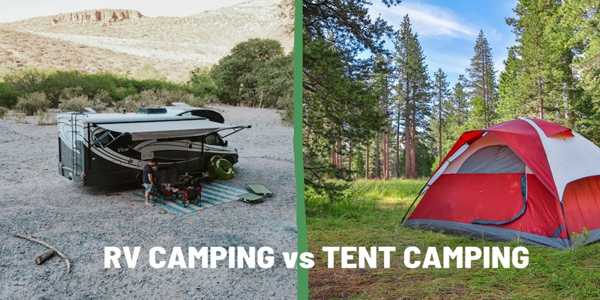
When considering your next outdoor adventure, you might wonder whether RV camping or tent camping is right for you. Each option offers unique advantages and disadvantages. Understanding these differences will help you make an informed decision that fits your style and budget.
Advantages of RV Camping
Comfort and Convenience
RV camping provides significant comfort and convenience, making it an enticing option for many outdoor enthusiasts. With features such as climate control, fully equipped kitchens, and private bathrooms, RVs create a cosy space to unwind after a day spent exploring. Families in particular benefit from this setup, as children and pets can enjoy their own space while still being close to loved ones.

Mobility
The ability to travel quickly and efficiently to various campgrounds is one of the highlighted advantages of RV camping. Instead of packing and unpacking gear at each site, RV campers can simply drive to their next destination, making spontaneous trips more feasible and enjoyable. The experience of visiting multiple picturesque locations without hassle certainly adds to the charm of RV camping.
Family-Friendly
For families, RV camping often proves to be the preferred choice. The spacious interiors of RVs accommodate larger groups and ensure that everyone has a comfortable area during their camping trips. Additionally, with amenities for preparing familiar meals, families can maintain routines even while embracing the great outdoors.
Disadvantages of RV Camping
Higher Initial Costs
Despite its numerous benefits, RV camping does have its drawbacks. One of the most noticeable limitations is the higher initial costs associated with purchasing or renting an RV, which can range from $10,000 to upwards of $300,000. This considerable expense can deter many potential campers before they even start their outdoor journey.
Maintenance Costs
Once an RV is purchased, maintenance becomes a recurring challenge. Owners must budget for regular upkeep, repairs, and insurance costs that can accumulate quickly. For example, RV insurance averages around $1,200 per year, not to mention the occasional repairs needed for wear and tear.
Park Restrictions
Furthermore, park restrictions can complicate RV camping. Many popular campsites may impose size limits or other limitations that could restrict RV access. This reality can pose challenges when planning destinations and itineraries.
Advantages of Tent Camping
Affordability
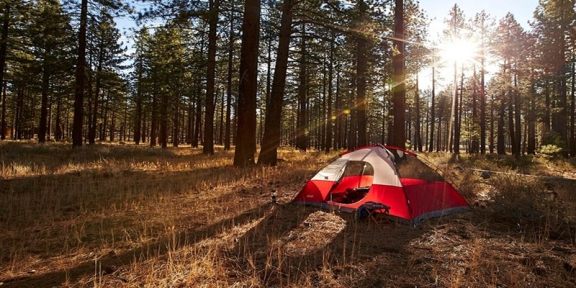
Tent camping stands out for its budget-friendly nature. The initial investment in a tent, sleeping gear, and basic camping equipment is considerably lower than that of RV camping. A quality tent can be acquired for between $100 and $500, making this option accessible for many outdoor adventurers.
Closer to Nature
Experiencing nature's wonders first-hand is a core advantage of tent camping. With tents set up in remote locations, campers can fully immerse themselves in the sights and sounds of their environment. Sleeping under the stars and sitting around the campfire creates unforgettable memories that all adventure lovers thoroughly enjoy.
Simplicity
Setting up a tent is a hassle-free process that requires little technical knowledge, making it ideal for beginners and seasoned campers alike. Tents are easy to transport and quick to assemble, highlighting an essential facet of camping proficiency that relies on basic skills rather than specialised expertise.
Disadvantages of Tent Camping
Less Comfort
One of the main drawbacks of tent camping is the general lack of comfort encountered. Campers must be prepared to face the unpredictable weather, which creates challenges to ensure their safety and comfort during their stay.
Storage Issues
Another issue concerns storage space within tents, which can feel restrictive. Limited room means campers need to pack mindfully, ensuring that essential gear and supplies fit neatly inside the tent. This situation can lead to frustration, especially during longer camping trips with heavier gear.
Safety Concerns
Tent camping also brings with it specific safety concerns, including the potential for wildlife encounters. Depending on the camping location, animals such as bears or snakes can present risks that campers must proactively prepare for, weighing the dangers against the experience they hope to enjoy.
Cost Comparison: RV Camping vs Tent Camping
Initial Investment Costs
When comparing RV and tent camping, the upfront costs are substantial. While a new RV can range dramatically in price, a basic tent will typically set you back only a fraction of that expense. Essential accessories for tent camping, such as sleeping bags and cooking gear, may add around $200-$300 to the initial outlay.
It's also essential to consider hidden costs – RV ownership entails expenses such as insurance, camp fees, and more. Many RV parks charge fees ranging from $30 to $100 per night, which further affects the overall budget.
Ongoing Costs
Fuel costs represent another ongoing expense. For drivers of larger RVs, mileage can average 8-12 miles per gallon; depending on fuel prices, this can make a significant difference in overall camping expenses.
In direct comparison, tent campers will find their campground fees are generally lower, often averaging around $20 per night. Recognising the continued need for gear maintenance and occasional replacements is essential for maximising the budget advantages of tent camping.
Choosing the Right Option for You
Assessing Your Lifestyle
When deciding between RV and tent camping, evaluating your lifestyle preferences is vital. Think about whether you're planning solo trips or family getaways, as these factors can heavily influence your decision. A solo adventurer may appreciate the minimalism of tent camping, allowing for personal reflection in serene natural settings. In contrast, those with families might find greater satisfaction in the ample comforts of an RV.
It's also crucial to consider how often you plan to camp. Frequent campers may justify the investment in an RV, while occasional weekend warriors might opt for the flexibility and cost advantages of tent camping.
Personal Preferences
Contemplate the types of comforts and amenities that matter most to you. If you appreciate home comforts like a functional kitchen and bathroom, an RV could meet your needs better than tent camping. However, if you yearn for adventure and prioritise immersion in nature over amenities, tent camping will likely be the perfect fit.
Ultimately, aligning your camping style with your lifestyle will lead to a fulfilling outdoor experience that caters to your needs.
Start Your Outdoor Adventure!
The choice between RV camping and tent camping comes down to personal preference, budget, and desired outdoor experience. Each option offers unique advantages, and neither is inherently better than the other. Take time to reflect on your choices, find the camping style that resonates with you, and start planning your next great outdoor adventure today!